ESG data requests · Industrial & logistics SME suppliers · Rotterdam
Be the preferred supplier when sustainability data requests land
The Circular Bulb is an independent sustainability consultancy in Rotterdam. TCB helps industrial and logistics SME suppliers in the Port of Rotterdam corridor answer and leverage the environmental, social and governance (ESG) data requests their large customers send before, during and after tenders.
The result: sustainability systems that protect revenue, reduce risk and improve performance.
If a customer sent you a sustainability questionnaire, asked for a Carbon Footprint or enquired about recycled content, and you are not ready for it, that is the problem TCB solves.
Book a 15-minute call See the approachThe gap
Large customers need the data. Most suppliers are not ready to provide it.
The opportunity
Why are customers asking suppliers for ESG data?
Supply chain regulations are reshaping what large companies expect from their SME suppliers. The companies that move first gain a lasting advantage over those that wait.
Regulatory momentum
CSRD (the Corporate Sustainability Reporting Directive), the EU Empowering Consumers for the Green Transition Directive (ECGT), ESPR and PPWR are progressively extending sustainability obligations onto large companies. To meet them, those companies request emissions, product and compliance data from their own suppliers, pulling SMEs into scope indirectly.
Voluntary certifications
Certification schemes such as EcoVadis or the Carbon Disclosure Project require companies to engage with their suppliers on sustainability performance. Certifying under one of these often means the request lands on the supplier's desk next.
Risk management
A supplier or service provider with poor environmental or health and safety practices is a liability. Asking for ESG information lets companies screen their suppliers, catching problems before they turn into contract or reputational risk.
Beyond compliance
Advantages of a sustainability management system
Meeting customer requests is only one reason to build ESG data practices. The same system pays off inside the business too.
Operational efficiency
Resource and energy improvements pay for themselves. Mapping consumption helps uncover efficiency opportunities that already exist in your business. Check the case study for an example.
Early risk detection
An environmental liability and the risk of losing talent to poor working conditions often sit in separate systems, sometimes unmeasured altogether. A sustainability management system brings them into one overview, so improvements can be made across the business.
Access to finance
Banks and investors increasingly apply ESG screens. A documented sustainability baseline strengthens financing conversations and reduces perceived risk.
Who TCB works with
Built for SME suppliers under pressure from their customers
TCB works best with companies that recognise this picture. If only part of it fits, the conversation is still worth having.
Industrial & logistics suppliers
Companies in industrial supply chains around the Port of Rotterdam, working B2B.
Selling to large customers
Suppliers to large companies that are under the scope of sustainability regulations, or that follow voluntary certifications like EcoVadis, CDP and SBTi, and require upstream information to ensure compliance.
Facing ESG data requests
Dealing with sustainability data requests like an ESG questionnaire, carbon emissions information, or packaging recycled content, and feeling the cost of answering them ad hoc.
No in-house ESG function
Without a consolidated sustainability strategy or a dedicated team to build one.
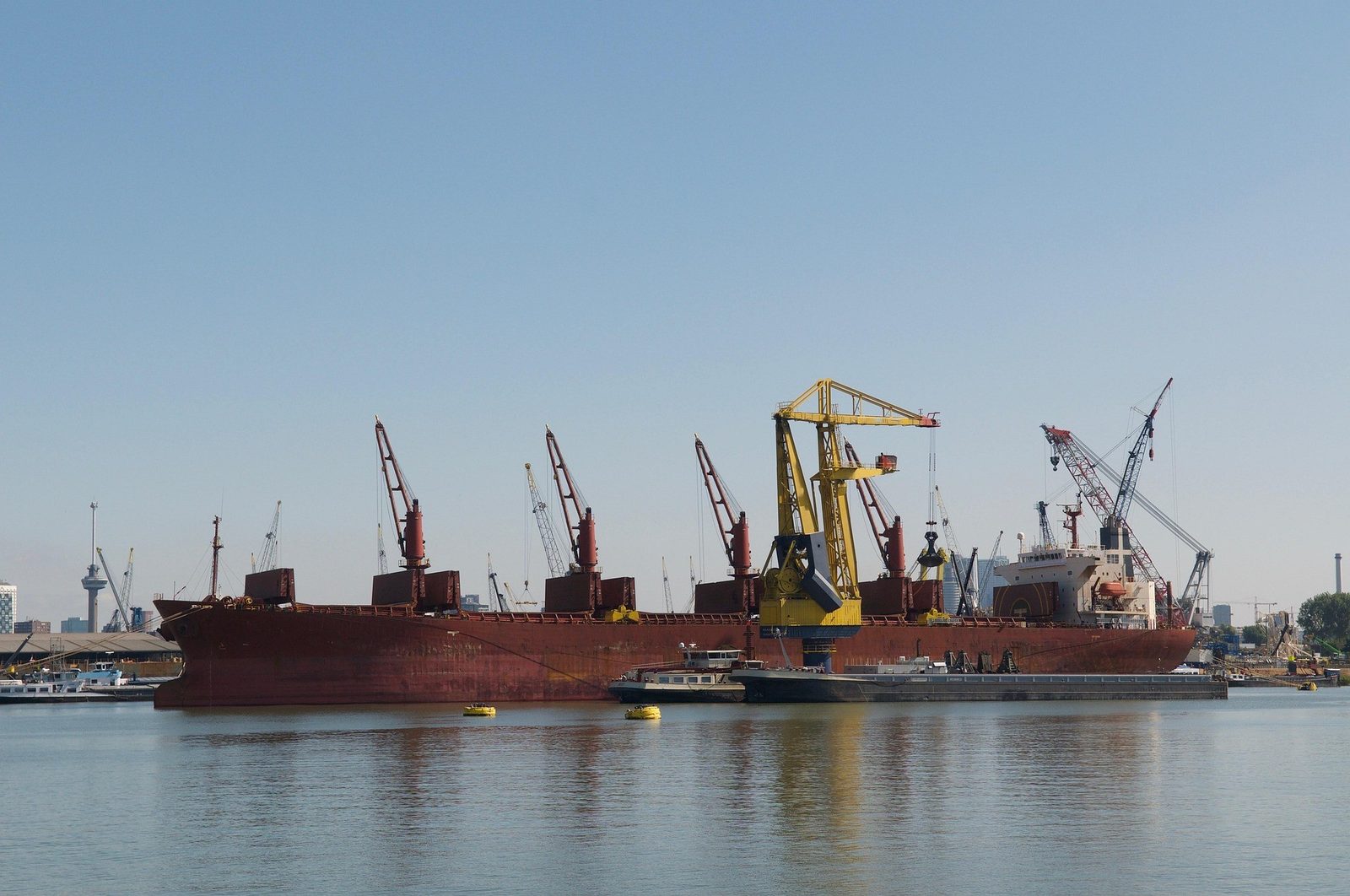
Not a perfect match? TCB still helps companies outside this profile, including larger firms and one-off needs such as PPWR support. The profile describes where TCB fits best, not the only work it takes on.
Services
The Sustainability Journey
A modular programme that takes a company through every stage of sustainability management, built around the EU VSME standard (the Voluntary Sustainability Reporting Standard for SMEs). Start with one step and decide how far to go.
1 · Sustainability Baseline
Identify the ESG topics and the sustainability-linked legislation relevant to your business.
2 · Strategy and Roadmap
Set priorities, define policies and build a roadmap that fits the business.
3 · Implementation Support
Put the plan into action, from process reviews to governance setup.
4 · Data and Monitoring
Map data sources and simplify the monitoring that reporting depends on.
5 · Reporting
Deliver a first VSME-aligned sustainability report, ready to share.
6 · Commercial Integration
Turn the sustainability profile into stronger tenders and client conversations.
Case study
When the numbers get run, savings and risks surface together
"We were losing 28% of a feedstock as CO₂. Nobody had flagged it until we ran the numbers."
A product carbon footprint uncovered a feedstock loss that engineering fixed at net-zero cost. And the data gathered for reporting became a live business dashboard for the directors.
Sustainability data, pulled together, is business intelligence. That is the shift TCB helps suppliers around the Port of Rotterdam make.
Read the full case study →
About
Independent. Experienced. Rotterdam-based.

Most SME suppliers meet ESG for the first time as a customer demand: a questionnaire at tender, an EcoVadis request, a carbon data form. TCB exists because those companies deserve the same quality of sustainability support that large corporations hire in-house.
Behind TCB is Luciano Lopez: 14 years across project management and environmental consultancy, and hands-on ESG delivery inside the Rotterdam petrochemical industry, including building a sustainability management system from scratch as the sole sustainability officer of a chemical site in Botlek.
Read the full storyKnowledge
Free resources for SME suppliers
Practical content on the regulations and frameworks that matter most for companies in industrial and logistics supply chains.
Article
Your customer asked for ESG data. Now what?
How the EU Empowering Consumers Directive (ECGT) is turning large-company green claims into data requests for their suppliers, and the practical steps an SME can take to be ready.
Read the article →Resource hub
Guides on ESG basics, legislation and PPWR
Starter guides for non-sustainability professionals: what ESG is, which EU rules can reach your business through your customers, and what PPWR requires from packaging.
Browse all resources →Book a 15-minute call
Ask questions about TCB's approach, discuss your situation, or simply get acquainted. No agenda required.
Book a slotPrefer to contribute first? Take part in a research interview and receive a free 1-hour consultation.